(and How FrozenLight Does It Right)
The term YouTube bot is used constantly in creator circles. Some people use it to describe growth tools, others to describe automation, and many associate it with fast engagement hacks.
The problem is that YouTube itself has very clear rules about engagement – and most tools marketed as “YouTube bots” operate in ways that directly violate those rules.
This article explains:
- What YouTube considers artificial engagement
- Which types of YouTube bots violate policy
- What compliant engagement tools look like
- Why FrozenLight YouTube bot is designed as a policy-safe bot that grows engagement through real users and real value
What People Mean When They Say “YouTube Bot”
In practice, a YouTube bot usually refers to software or services that promise to increase:
- Views
- Likes
- Comments
- Subscribers
These tools typically fall into one of three categories:
- Automated engagement software
- Engagement exchange networks
- AI-powered tools connected to content discovery and user interaction
Only the third category aligns with YouTube’s policies.
YouTube’s Official Position on Artificial Engagement
YouTube’s stance on engagement manipulation is explicit.
According to YouTube’s Help Center:
“YouTube doesn’t allow anything that artificially increases engagement (views, likes, comments, etc).”
Source:
https://support.google.com/youtube/answer/3399767
This policy applies to:
- Automated systems generating views or likes
- Scripts that mimic user behavior
- Third-party services that inflate metrics
- Incentivized or coordinated fake engagement
YouTube actively detects and removes this activity, and repeated violations can lead to:
- Engagement removal
- Reduced visibility in recommendations
- Channel strikes
- Account termination
Common YouTube Bots That Violate Policy
1. Automated View & Like Bots
These tools simulate user activity using scripts or fake accounts.
They generate volume without intent, context, or audience relevance.
Why they violate policy:
- Engagement is automated
- Accounts are not genuine users
- Signals are artificially generated
Example: QQTube
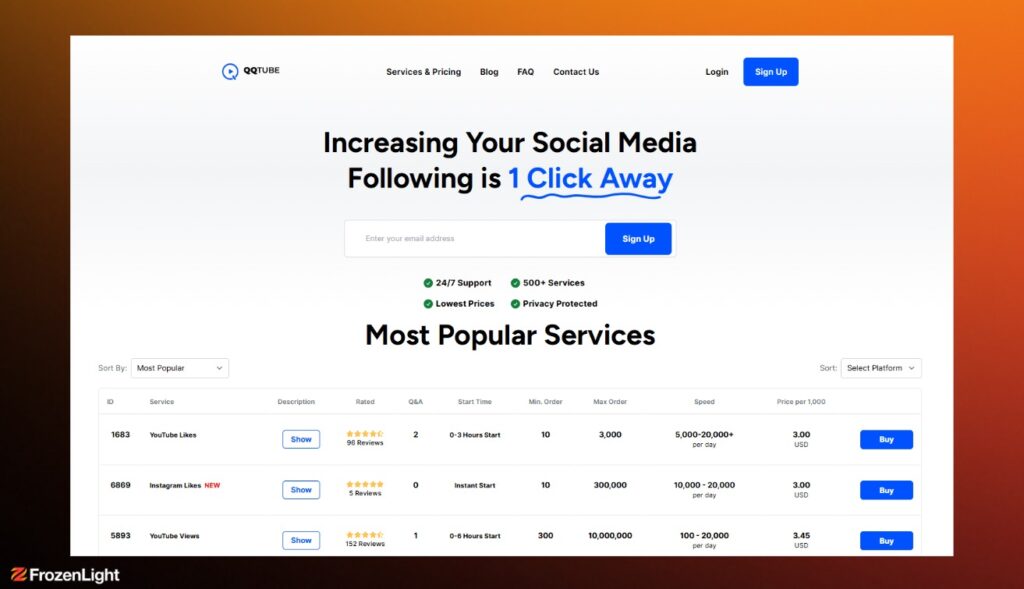
What it offers:
- Buy YouTube views
- Buy YouTube likes
- Buy YouTube subscribers
- Instant or scheduled delivery
Why this violates YouTube policy
YouTube explicitly prohibits:
“Anything that artificially increases engagement (views, likes, comments, etc).”
QQTube’s core value proposition is metric inflation, not audience discovery or value creation.
Example: SidesMedia
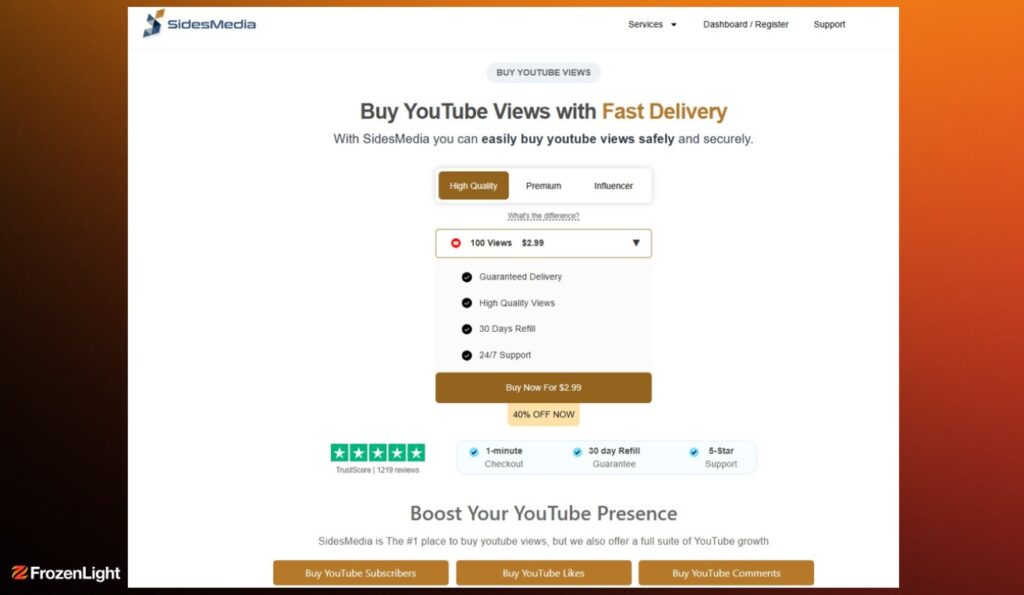
What it offers:
- Paid YouTube views and likes
- Promises of fast delivery
- No requirement for user intent
Policy conflict
- Engagement is purchased, not earned
- Views are decoupled from genuine viewer interest
- Signals are artificially injected into the system
2. Auto-Comment Bots
Bots that leave repetitive or keyword-stuffed comments across videos.
Why they violate policy:
- Non-authentic interaction
- Spam behavior
- Disrupts real community engagement
Example: YouLikeHits
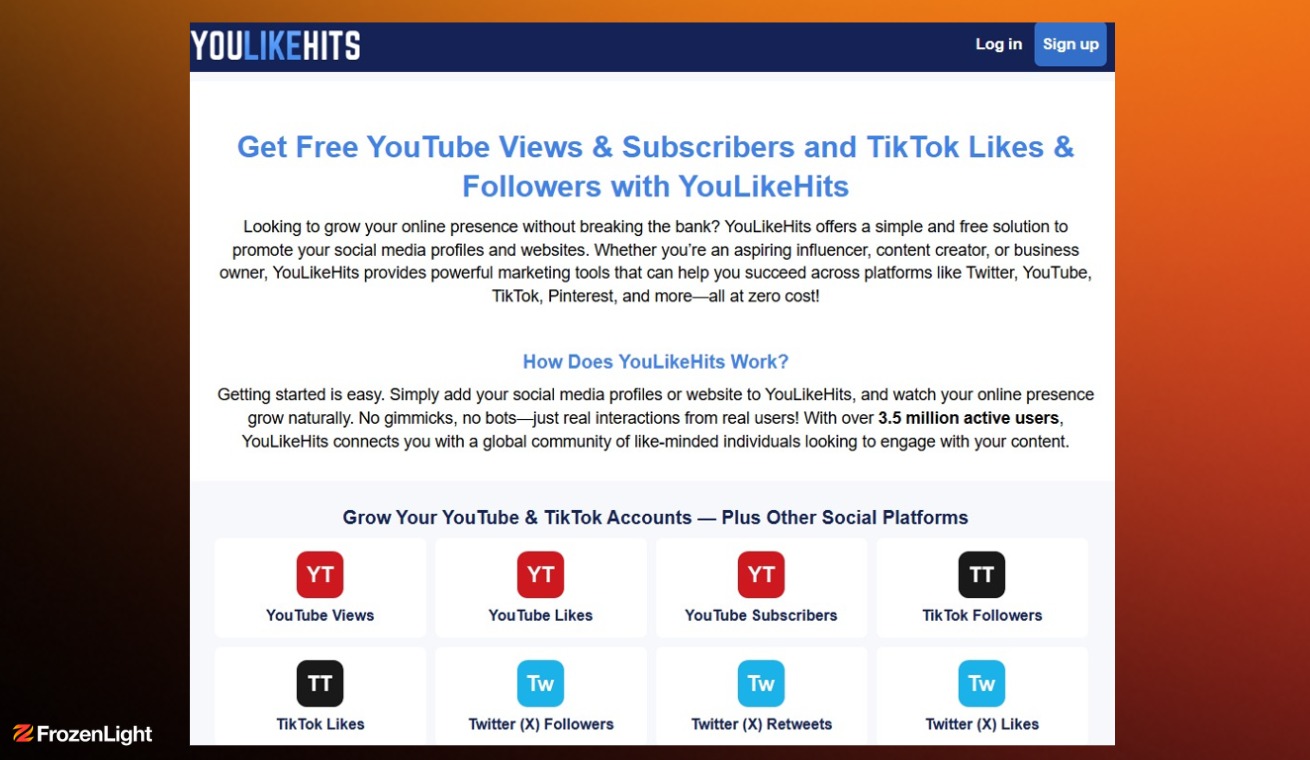
What it offers:
- Comment exchanges
- Like and view exchanges
- Automated participation loops
Why this violates policy
- Comments are incentivized, not authentic
- Repetitive behavior patterns
- Engagement exists for rewards, not conversation
YouTube classifies this as spam engagement.
Example: TraffUp
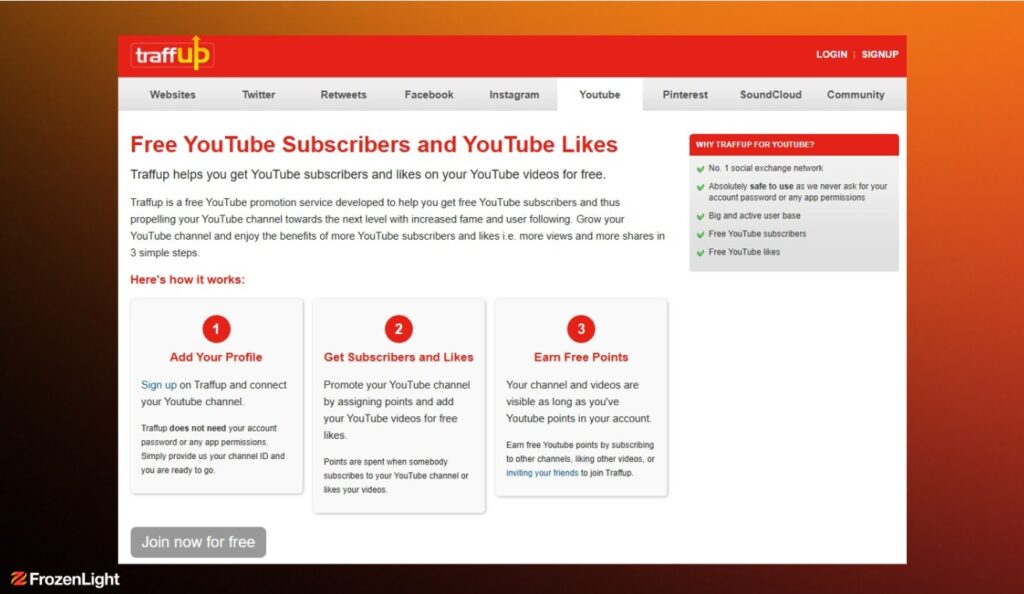
What it offers:
- Comment-for-comment systems
- Engagement automation via scripts or exchanges
Policy conflict
- Non-organic interactions
- Disrupts real community discussion
- Detectable behavior patterns
3. Engagement Exchange Networks
These platforms reward users with points or credits for engaging with other videos.
Why they violate policy:
- Engagement is incentivized rather than organic
- User intent is distorted
- Often involves duplicate or low-quality accounts
Example: Sprizzy
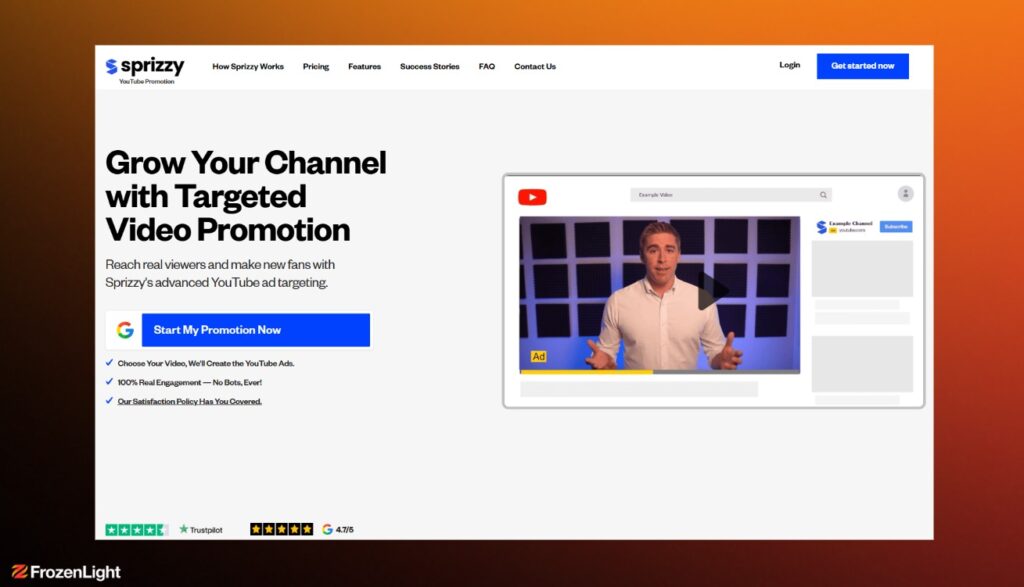
⚠️ Important nuance: Sprizzy operates in a gray area – some campaigns rely on Google Ads placements, others function via incentivized discovery.
Why it’s relevant here
- Engagement is driven by incentives rather than intent
- Viewer behavior does not reflect organic demand
- Risk depends on campaign configuration
YouTube’s systems evaluate why engagement happens, not just whether a human clicked.
Example: Like4Like
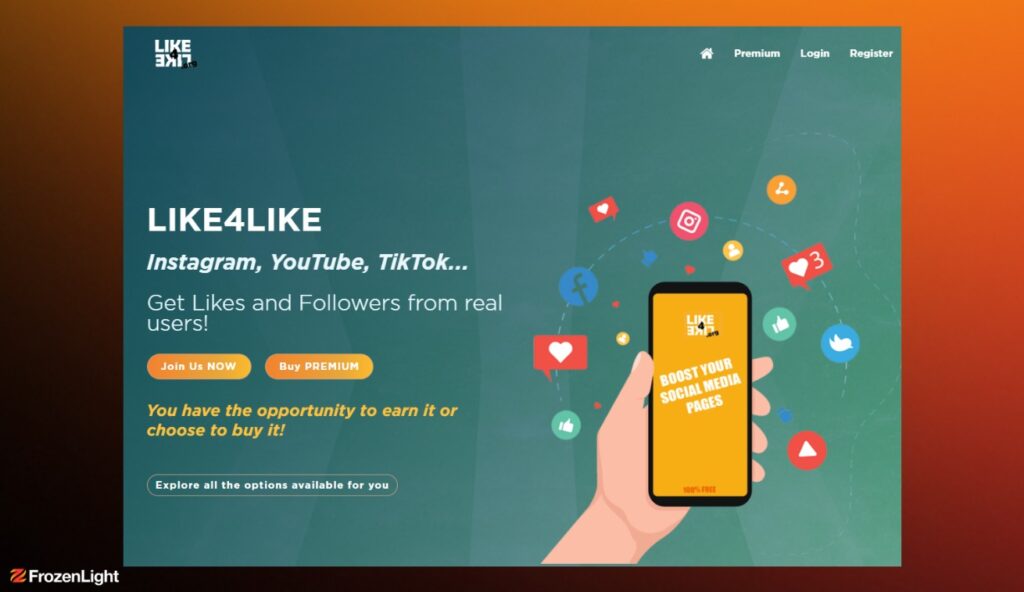
What it offers
- Earn credits by:
- Liking YouTube videos
- Subscribing to channels
- Commenting on videos
- Spend credits to receive:
- Likes
- Subscribers
- Comments on your own videos
The entire system is built around reciprocal engagement.
Why Artificial Engagement Fails Long-Term
Even when artificial engagement goes undetected temporarily, it does not support sustainable growth.
YouTube’s recommendation systems evaluate:
- Viewer satisfaction
- Watch behavior
- Returning viewers
- Session depth
Bots do not create:
- Genuine interest
- Viewer retention
- Community trust
As a result, channels relying on artificial engagement often experience declining reach over time.
What a Policy-Compliant YouTube Bot Looks Like
A compliant YouTube bot operates within YouTube’s rules by focusing on:
- Real users
- Intent-based discovery
- Content understanding
- Value creation
Key characteristics:
- No automation of views, likes, or comments
- No simulation of user behavior
- Engagement driven by actual audience interest
- Support for creators’ content lifecycle
This is where FrozenLight operates.
FrozenLight: A YouTube Bot Built for Real Engagement
FrozenLight is a YouTube bot designed to increase engagement through real user interaction, discovery, and content understanding – without manipulating platform signals.
Instead of generating activity, FrozenLight:
- Helps users discover relevant content
- Encourages meaningful interaction with videos
- Extends the life of existing YouTube content
- Connects real questions to real answers
Every interaction comes from a real person choosing to engage.
How FrozenLight Grows Engagement Safely
FrozenLight works alongside YouTube’s ecosystem by supporting behaviors YouTube already values:
Real User Discovery
Users find content because it answers a real question or need, increasing relevance and watch intent.
Content Accessibility
Videos remain useful beyond their publish date, helping creators reach new viewers over time.
Engagement With Context
Interactions happen because viewers understand the content and want more from it.
Audience Insights
Creators gain clarity on what viewers are searching for and how their videos serve those needs.
All engagement originates from human behavior, not automation.
Why This Matters for Creators
YouTube growth today depends on trust, from both the platform and the audience.
Tools that inflate metrics weaken that trust.
Tools that improve understanding and discovery strengthen it.
A YouTube bot that aligns with platform policy protects:
- Channel longevity
- Algorithmic visibility
- Audience credibility
FrozenLight YouTube bot was built with these principles as its foundation.
Try a YouTube Bot That Works With the Platform
The term “YouTube bot” is often associated with shortcuts that create risk rather than growth. Artificial engagement may look impressive at first, but it weakens long-term visibility, trust, and channel stability.
Sustainable growth comes from tools that work the same way YouTube does: by prioritizing real users, real intent, and real value.
FrozenLight was built for creators who want to grow without compromising their channel. Its YouTube bot helps your content reach people who are actively looking for answers, ideas, and insights, and encourages genuine engagement that YouTube recognizes and rewards.
👉 Check out our YouTube bot (we call it “messenger”) and experience engagement driven by real users!